Check all windows
Before the first snowfall, homeowners should perform a visual inspection of all windows from the outside and inside. They should look for cracks, gaps, and missing or damaged screens. If any windows have cracks or holes, they should be repaired or replaced as needed. Homeowners should also look for missing, broken, or rotting wood trim around the windows.
Delete Drafts
According to studies, about one-third of a home’s heat is lost through windows and doors. To reduce the loss of warm air from inside your home and the entry of cold air, use weatherstripping and waterproof caulk to seal any gaps between the window frame and wall. This can help keep you warmer, lower heating costs, and save energy.
Clean windows to remove dirt, dust, and grime
The grit and grime that collect on windows can etch the glass, creating scratches and even cracks. Regular window washing works to reduce this potential damage, as does washing the window frame itself. This prevents dirt from being trapped against the glass, which would only worsen the problem over time.
Prepare for condensation
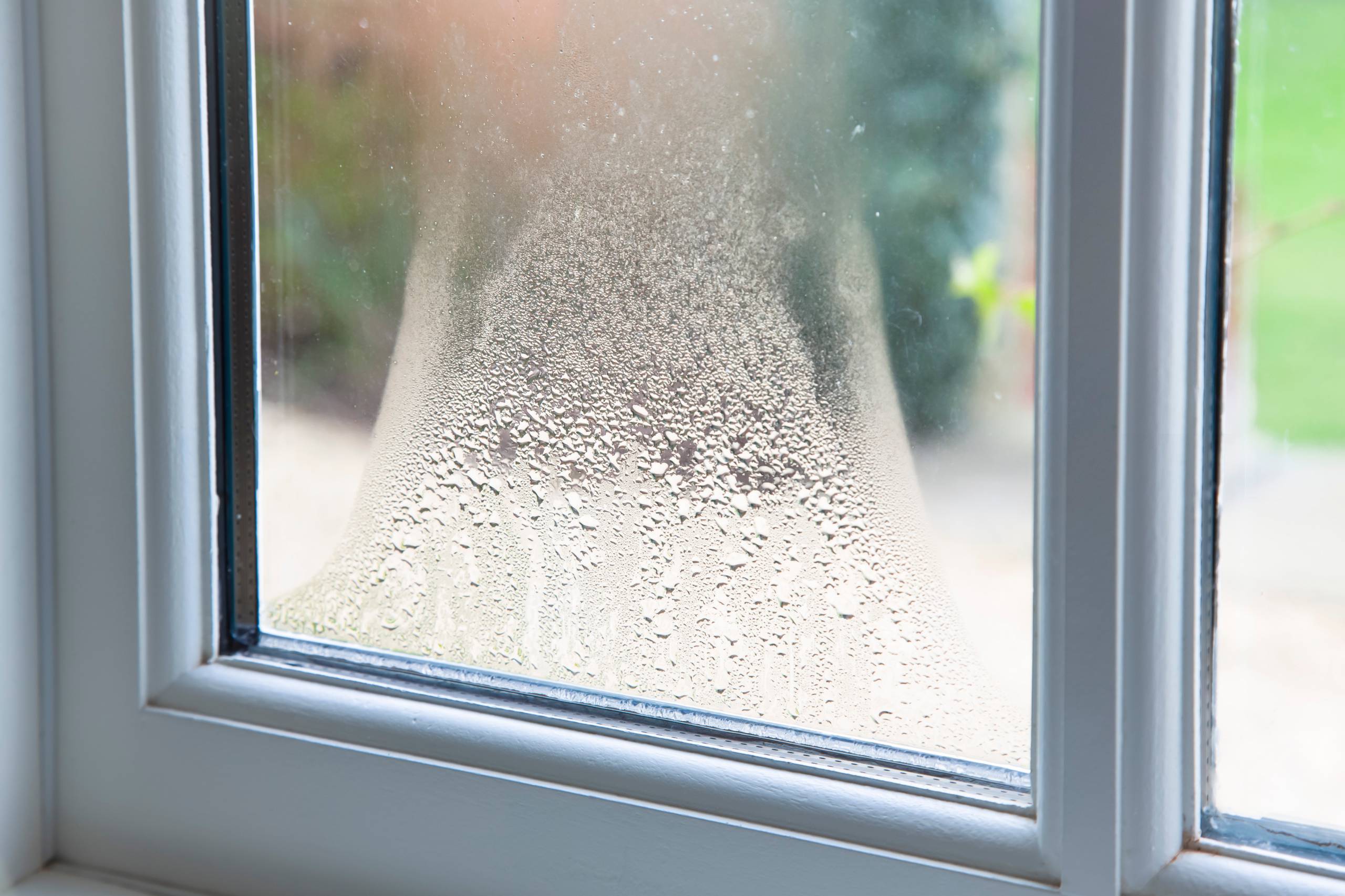
If a home’s indoor humidity levels are too high in winter, windows can sweat. This type of condensation happens when moist air from the inside meets cold, dry air from the outside. It is advised that a home’s relative humidity level should be about 40-percent during winter months. When temperatures dip below zero degrees Fahrenheit, it is advisable to lower the relative humidity as well—maintain it at 30-percent. Dehumidifiers and fans can help keep the humidity levels on target.
Ensure all windows are locked
Throughout the spring, summer, and fall, it is advisable to keep your wooden windows open to enjoy the fresh air. During this time of year, however, perform a safety check by locking all of your windows. While performing this task, also take the time to inspect the window frames for damage or signs of wear.